Difference between hydraulic gear and transmission oil.

Difference between hydraulic gear and transmission oil.

♣ Difference Between Transmission Oil, Hydraulic Oil & Gear Oil.

Modern vehicles and machinery depend on several essential fluids that transfer power, reduce friction, and protect components. Three of the most important fluids are Transmission Fluid, Hydraulic Fluid, and Gear Oil. Although they may seem similar, each is designed for a specific purpose and works in different systems.

This article explains their roles, types, key differences, and applications.


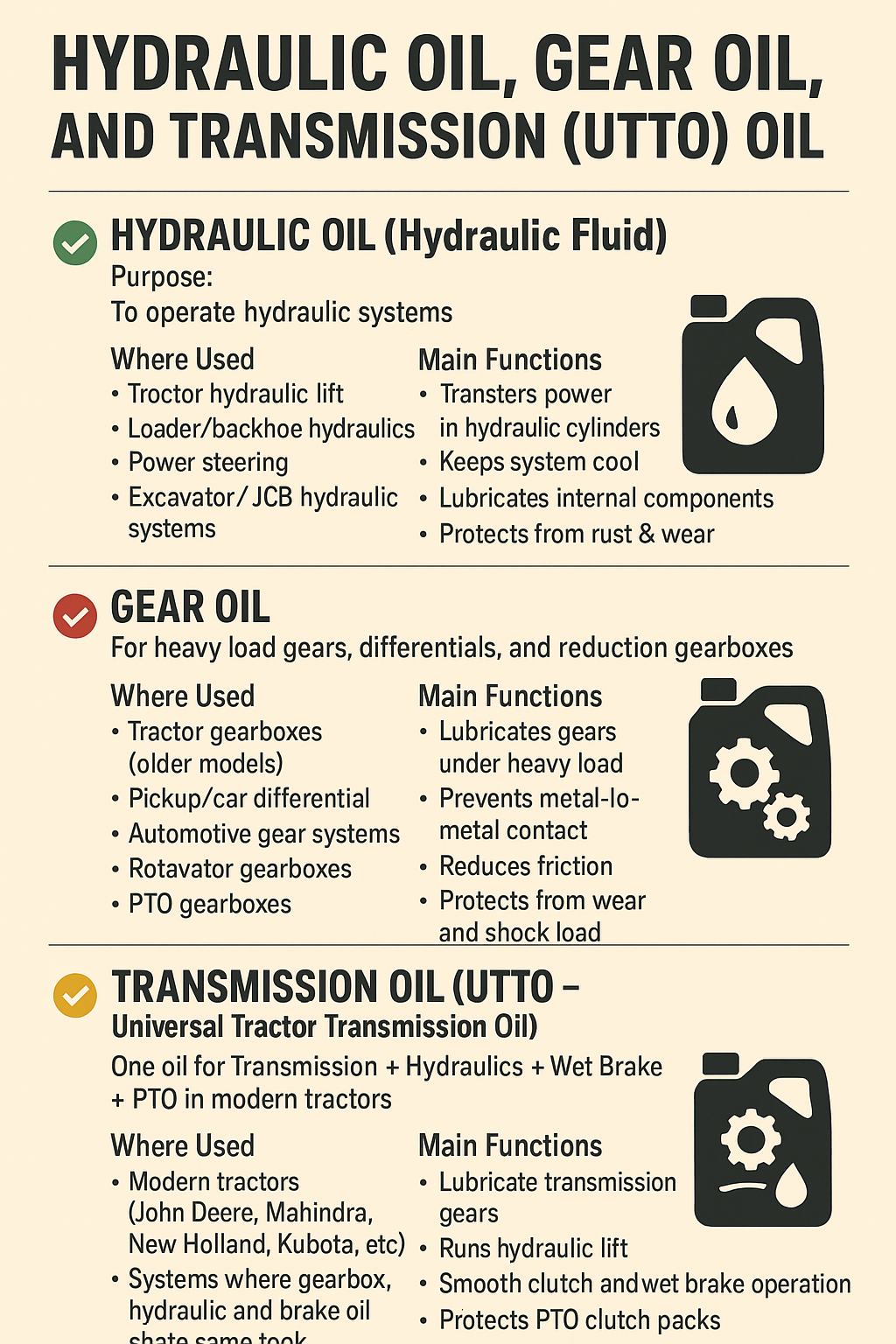
What is Transmission Oil (UTTO)?

Transmission fluid is a specially formulated lubricant used in automatic transmissions and some modern manual gearboxes.
It performs multiple tasks:

  • Lubricates gears and bearings

  • Reduces friction for smooth gear shifts

  • Provides hydraulic pressure inside automatic transmissions

  • Cools internal components

  • Ensures proper engagement of clutch packs and brake bands

Types of Transmission Fluid

  1. Manual Transmission Oil (MTF)
    Used in older cars; can thicken in winter, making shifting harder.

  2. Automatic Transmission Fluid (ATF)
    Controls valves, lubricates internal parts, and supports torque converter performance.

  3. CVT Fluid
    Designed only for Continuously Variable Transmissions. Using the wrong fluid can cause severe damage.

Benefits of Using Correct Transmission Oil

  • Smooth and reliable gear shifting

  • Reduced wear on gears and bearings

  • Lower friction and overheating

  • Better fuel efficiency and reduced emissions


◊ What is Hydraulic Oil ?

Hydraulic fluid is used in machines that operate using hydraulic pressure. The fluid transfers power, lubricates, cools components, and prevents rust.

Types of Hydraulic Oil.

  • Petroleum-Based Oils
    Good lubrication and rust protection.

  • Water-Based Fluids
    Fire-resistant; available as emulsions or water-glycol blends.

  • Synthetic Hydraulic Oils
    Perform well at high temperatures; not suitable for all seals.

  • Common hydraulic Oil Types

    • HM 32 –  HM 46 – HM 68


◊ What is Gear Oil?

Gear oil is a high-viscosity lubricant used in gearboxes, differentials, and heavy-load gear systems.
Its primary purpose is to protect gears under high pressure and shock loads.

Functions of Gear Oil

  • Lubricates highly loaded gear teeth

  • Prevents metal-to-metal contact

  • Reduces heat in gear systems

  • Offers extreme pressure (EP) protection

  • Extends gearbox and differential life

Common Gear Oil Types

  • EP 80W-90, EP 85W-140

  • GL-4 / GL-5 specifications for automotive gear systems

  • Used in tractors, trucks, differentials, PTO gearboxes, and rotavators


◊ Transmission Oil vs Hydraulic Oil vs Gear Oil (Key Differences)

FeatureTransmission FluidHydraulic FluidGear Oil
Primary UseVehicle transmissionsHydraulic systemsGearboxes & differentials
AdditivesFriction modifiers, anti-wearAnti-foam, anti-rustExtreme Pressure (EP), anti-scuff
ViscosityMedium; stable for shiftsMedium to thick depending on systemThick, high load capacity
Pressure HandlingModerateVery highVery high gear pressure & shock load
Common ApplicationsCars, tractors, loadersExcavators, cranes, forkliftsGearboxes, PTOs, axles

◊ Applications

Transmission Oil

  • Passenger cars & SUVs

  • Trucks and buses

  • Modern tractors

  • Construction machinery with automatic transmissions

Hydraulic Fluid

  • Excavators, cranes, loaders

  • Forklifts and industrial machines

  • Aircraft landing systems

  • Hydraulic brakes

Gear Oil

  • Tractor and automotive gearboxes

  • Differentials and final drives

  • PTO gearboxes

  • Rotavator and tiller gear systems

◊ Conclusion

All three fluids—transmission Oil, hydraulic Oil, and gear oil—play a vital role in power transmission, but they are not interchangeable.

  • Hydraulic oil is used in hydraulic systems that require high pressure and smooth movement.

  • Transmission Oil.  is designed specially for vehicle transmissions to ensure smooth shifting and lubrication.

  • Gear oil is formulated for high-load gear systems where strong EP protection is needed.

Selecting the correct oil based on manufacturer guidelines ensures better performance, longer equipment life, and lower maintenance costs.
Best Mobil For Bike

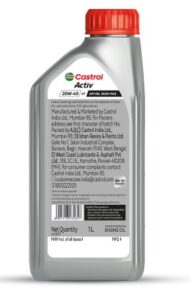
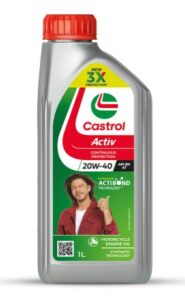
Castrol Activ 20W-40 4T Engine Oil for Bikes with Synthetic Technology (1L) |3X Protection with Actibond Technology | Engine Protection for Bikes | API SN and JASO MA2

MRP. 462.00 for 1ltr

Unit Sale Price Band :-400 to 450 /-

  • 3X Engine Protection: Castrol Activ 20W-40 with Actibond Technology adheres to critical engine parts, delivering 3X protection during start-up, while riding, and even when idle. It ensures optimal performance and longevity for your motorcycle, no matter the conditions.
  • Designed for Daily Commuters: Tailored specifically for daily motorcycle commuters, this oil ensures smooth engine operation even in heavy traffic, helping your bike handle the constant start-stop demands of city riding.
  • Extra Start-Up Protection: With 50% more start-up wear protection vs standard API limits, this engine oil safeguards your motorcycle during the critical moments when the engine is most vulnerable, facilitating smooth and reliable performance from the get-go.
  • Reduced Deposits for Cleaner Engines: Its advanced formula actively fights against deposit build-up, maintaining a cleaner engine over time. This promotes better engine health, enhanced reliability, and a longer lifespan, which is ideal for daily use.
  • Formulated for Peak Performance: Complying with API SN and JASO MA2 standards, Castrol Activ 20W-40 is engineered for modern motorcycles, providing efficient performance while reducing harmful deposits that can affect engine efficiency and durability.

Which Mobil is best for my bike

Which Mobil is best for my bike

Which engine oil is best for a bike—

mineral (conventional)
Fully synthetic
Semi-synthetic

This question arises in the mind of almost every rider. The job of engine oil is not just to reduce friction but also to keep the engine cool, clean, and prolong its life. For this reason, choosing the right oil becomes important. 

Let us understand these three types in simple terms.

Mineral or conventional oil is made by refining base oil. It is the most economical option and proves adequate for everyday normal riding.

However, its performance may be limited in high temperatures, high revs or prolonged hard driving. Due to its comparatively lower oxidation resistance and deposit control, it needs to be changed relatively frequently.

Fully synthetic oil is chemically engineered, making its molecules more uniform and stable. As a result, it provides better protection in both extreme heat and cold, flows faster during cold starts, maintains film strength at high revs, and generally contributes to better mileage and engine longevity. 

It is usually expensive, but in many cases can extend drain intervals, provided the manufacturer’s recommendations are followed.

Semi-synthetic oil is a blend of mineral and synthetic oils. Its cost and performance lie in the middle—better thermal stability and cleanliness than mineral oil, but not as high performing as full synthetic. For daily office commutes, moderate distances and normal riding, it is considered a balanced choice, especially if you do not want to spend entirely on full synthetic but desire better protection than mineral. So, which should you choose? 

First, check your bike’s owner manual—it clearly states the viscosity grade (such as 10W-30, 10W-40), API/ACEA and JASO (such as JASO MA/MA2)

specifications. Engine CC, your riding style (city traffic vs highway), weather/temperature, service intervals, and warranty conditions also matter. For general use, semi-synthetic is often sufficient.

full synthetic can be beneficial for performance riding, extreme temperatures, or long highway rides. Only go for unnecessarily expensive oils if needed and approved by the manufacturer. If in doubt, consult the brand’s customer care or an authorized service center—and yes, let us know which oil you use in your bike!

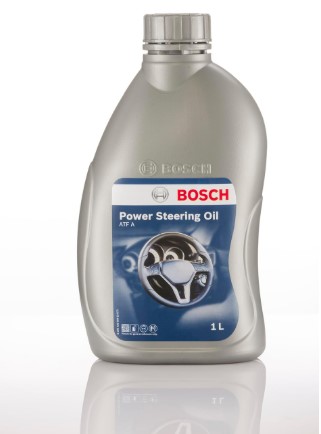
power steering oil bosh

power steering oil bosh

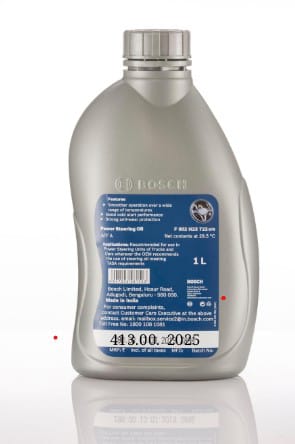
Part Number . F002 H23 722

Power steering oil ATF A

Unit Sale price 413.00 per number

Applications:- Recommended for use in power steering units of Tractor, truck and cars whenever the OEM recommends the use of steering oil meeting

Features

Smoother operation over a wide range of temperatures

Good cold start performance

Strong anti wear protection

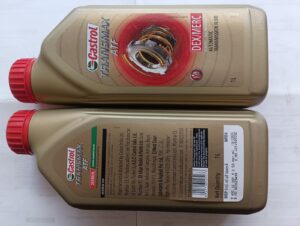
Steering oil castrol ATF

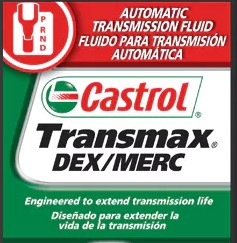
Transmax ATF Dex/Merc

MRP.  495.00

Automatic Transmission Fluid

Description
Castrol Transmax ATF Dex/Merc is designed for use in GM automatic transmissions pre 2005 and in Ford
automatic transmission built between 1983 and 1996 where Dexron® (II or III) or Mercon performance
is required. It provides enhanced protection to all moving parts of the transmission with its superior
friction durability and antiwear chemistry. It is also suitable for use older automatic transmissions in
various vehicles and as Power Steering Fluid.
Advantages
Enhanced friction durability prolongs transmission life and promotes smooth shifting.

Translate »