Difference between hydraulic gear and transmission oil.

Difference between hydraulic gear and transmission oil.

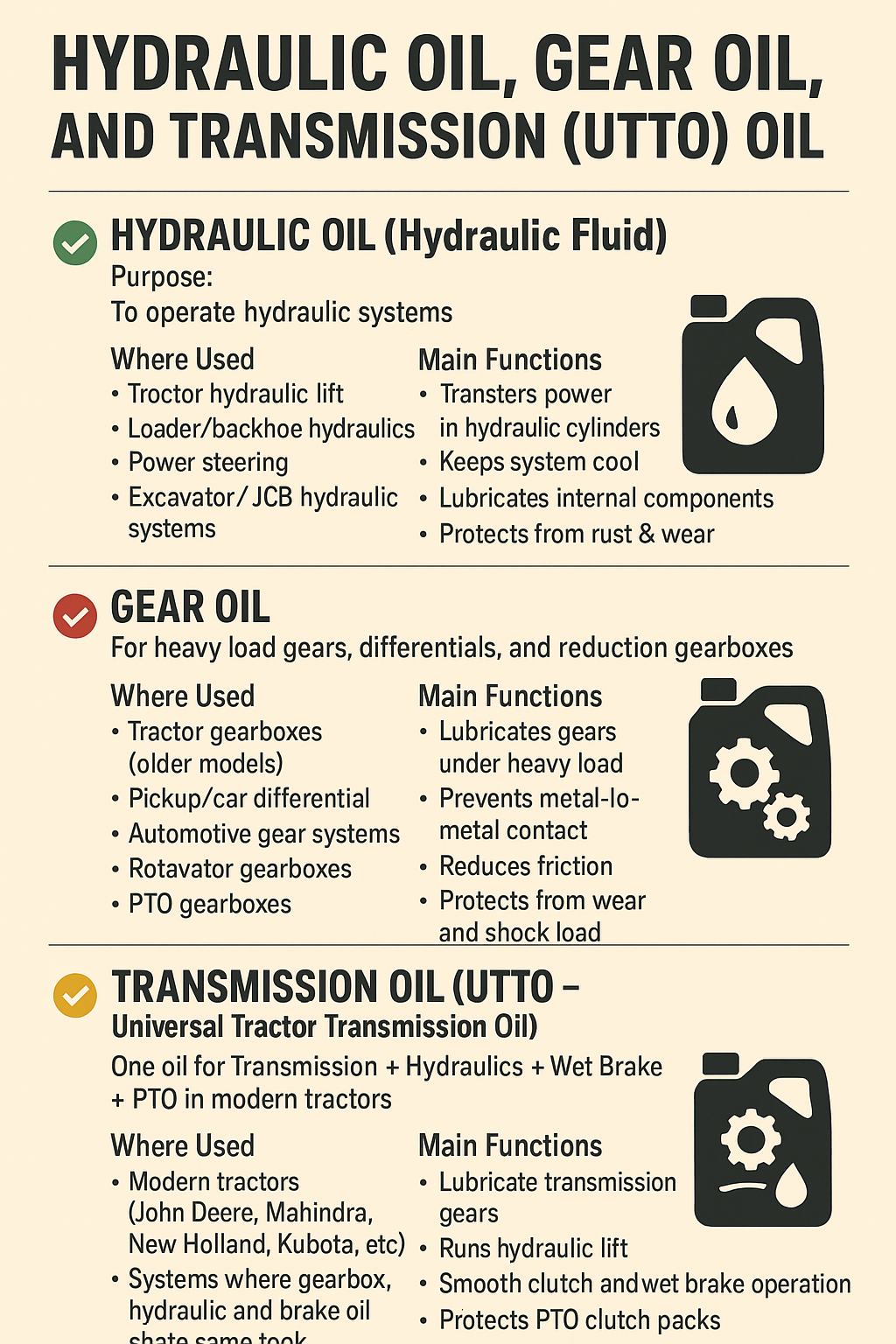
♣ Difference Between Transmission Oil, Hydraulic Oil & Gear Oil.

Modern vehicles and machinery depend on several essential fluids that transfer power, reduce friction, and protect components. Three of the most important fluids are Transmission Fluid, Hydraulic Fluid, and Gear Oil. Although they may seem similar, each is designed for a specific purpose and works in different systems.

This article explains their roles, types, key differences, and applications.


What is Transmission Oil (UTTO)?

Transmission fluid is a specially formulated lubricant used in automatic transmissions and some modern manual gearboxes.
It performs multiple tasks:

  • Lubricates gears and bearings

  • Reduces friction for smooth gear shifts

  • Provides hydraulic pressure inside automatic transmissions

  • Cools internal components

  • Ensures proper engagement of clutch packs and brake bands

Types of Transmission Fluid

  1. Manual Transmission Oil (MTF)
    Used in older cars; can thicken in winter, making shifting harder.

  2. Automatic Transmission Fluid (ATF)
    Controls valves, lubricates internal parts, and supports torque converter performance.

  3. CVT Fluid
    Designed only for Continuously Variable Transmissions. Using the wrong fluid can cause severe damage.

Benefits of Using Correct Transmission Oil

  • Smooth and reliable gear shifting

  • Reduced wear on gears and bearings

  • Lower friction and overheating

  • Better fuel efficiency and reduced emissions


◊ What is Hydraulic Oil ?

Hydraulic fluid is used in machines that operate using hydraulic pressure. The fluid transfers power, lubricates, cools components, and prevents rust.

Types of Hydraulic Oil.

  • Petroleum-Based Oils
    Good lubrication and rust protection.

  • Water-Based Fluids
    Fire-resistant; available as emulsions or water-glycol blends.

  • Synthetic Hydraulic Oils
    Perform well at high temperatures; not suitable for all seals.

  • Common hydraulic Oil Types

    • HM 32 –  HM 46 – HM 68


◊ What is Gear Oil?

Gear oil is a high-viscosity lubricant used in gearboxes, differentials, and heavy-load gear systems.
Its primary purpose is to protect gears under high pressure and shock loads.

Functions of Gear Oil

  • Lubricates highly loaded gear teeth

  • Prevents metal-to-metal contact

  • Reduces heat in gear systems

  • Offers extreme pressure (EP) protection

  • Extends gearbox and differential life

Common Gear Oil Types

  • EP 80W-90, EP 85W-140

  • GL-4 / GL-5 specifications for automotive gear systems

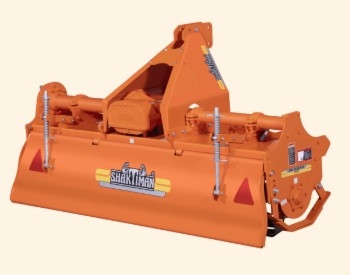
  • Used in tractors, trucks, differentials, PTO gearboxes, and rotavators


◊ Transmission Oil vs Hydraulic Oil vs Gear Oil (Key Differences)

FeatureTransmission FluidHydraulic FluidGear Oil
Primary UseVehicle transmissionsHydraulic systemsGearboxes & differentials
AdditivesFriction modifiers, anti-wearAnti-foam, anti-rustExtreme Pressure (EP), anti-scuff
ViscosityMedium; stable for shiftsMedium to thick depending on systemThick, high load capacity
Pressure HandlingModerateVery highVery high gear pressure & shock load
Common ApplicationsCars, tractors, loadersExcavators, cranes, forkliftsGearboxes, PTOs, axles

◊ Applications

Transmission Oil

  • Passenger cars & SUVs

  • Trucks and buses

  • Modern tractors

  • Construction machinery with automatic transmissions

Hydraulic Fluid

  • Excavators, cranes, loaders

  • Forklifts and industrial machines

  • Aircraft landing systems

  • Hydraulic brakes

Gear Oil

  • Tractor and automotive gearboxes

  • Differentials and final drives

  • PTO gearboxes

  • Rotavator and tiller gear systems

◊ Conclusion

All three fluids—transmission Oil, hydraulic Oil, and gear oil—play a vital role in power transmission, but they are not interchangeable.

  • Hydraulic oil is used in hydraulic systems that require high pressure and smooth movement.

  • Transmission Oil.  is designed specially for vehicle transmissions to ensure smooth shifting and lubrication.

  • Gear oil is formulated for high-load gear systems where strong EP protection is needed.

Selecting the correct oil based on manufacturer guidelines ensures better performance, longer equipment life, and lower maintenance costs.

Which kind of tractor a Farmer should buy ?

Which kind of tractor a Farmer should buy ?

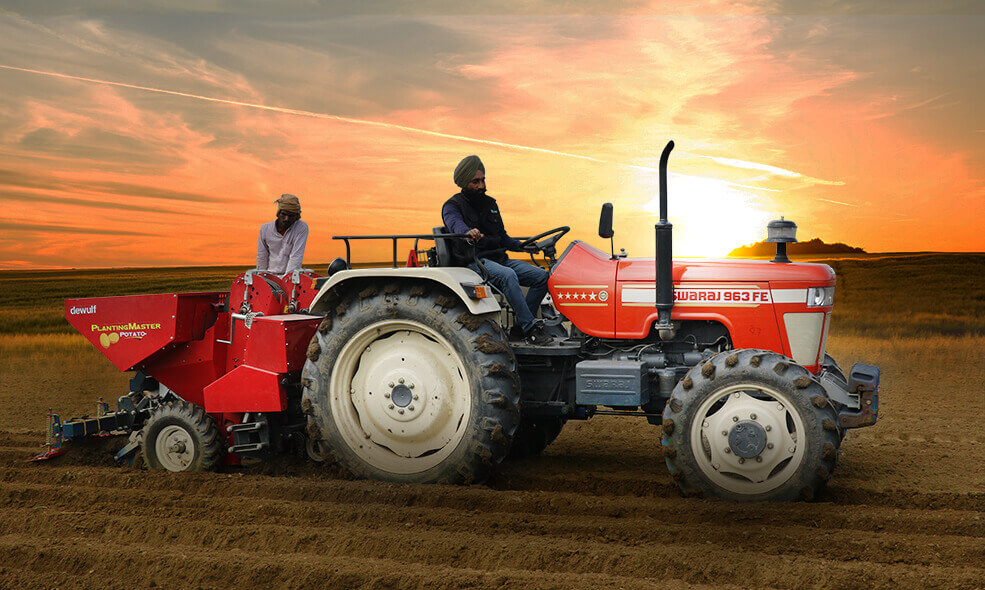
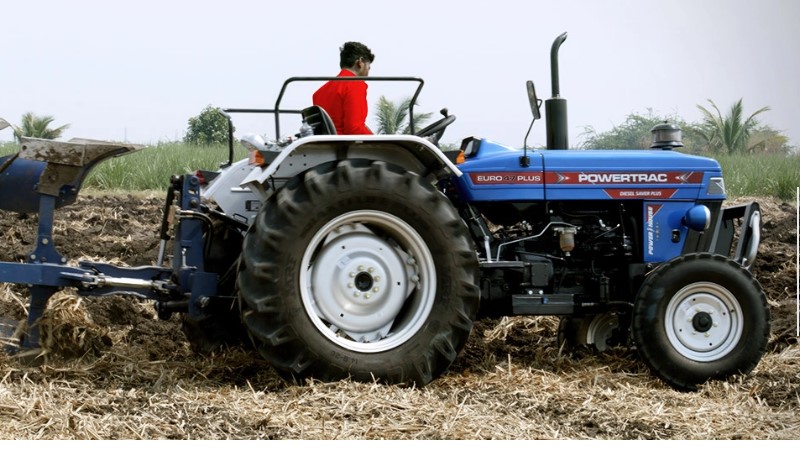
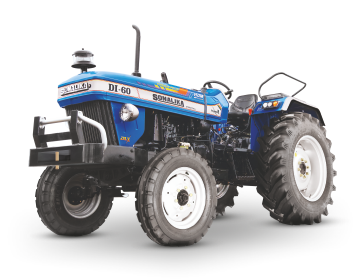
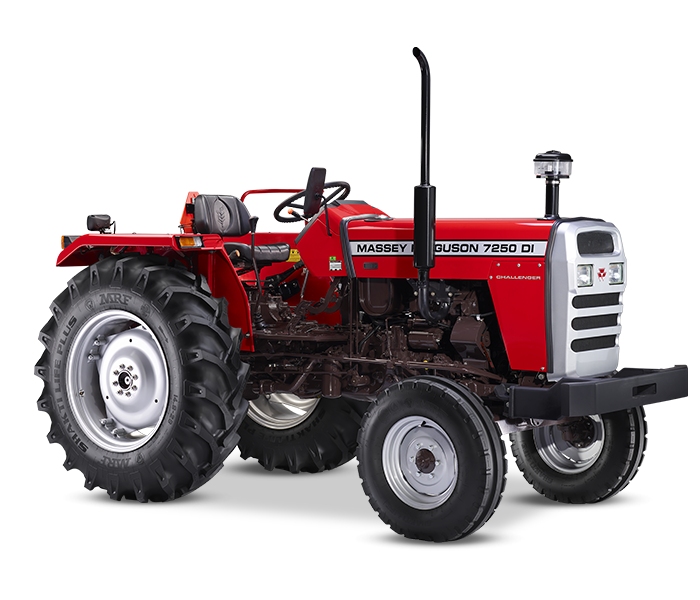
There are various kind of tractor available in India. but not every tractor for every farmer.  All farmers have different need. because some farmers have less land for farming and some have more. That is why tractor should be purchased as per the need. 

The type of tractor a farmer ought to purchase depends on factors like the size of the farm the soil and terrain the crops cultivated and the specific jobs the tractor must accomplish. Here are some general recommendations. If you provide details, about your farm (acreage, crops, activities) I can assist in refining the options further.


✅ factors to consider when selecting a tractor

Farm size / land area — tractors should match the size of your land.

Tasks / implement use — whether you need it for light tasks (ploughing small patches, sowing, transport) or heavy duty (deep ploughing, hauling, large implements, multiple operations)

Soil / terrain / field conditions — if soil is heavy, sticky, or if terrain is uneven/hilly, you may need more power and better traction (e.g. 4-wheel drive).

Fuel efficiency, maintenance & cost of ownership — tractors with too much power are costlier and use more fuel; too little power may get overworked and break down.


🚜 What kind of tractor works best in different farm situations

Farm situation / requirement Recommended type / HP / drive

Very small farm / < 5 acres; light tilling, sowing, hauling small loads, orchard work Compact / mini-tractor — ~ 15-30 HP, 2-wheel drive often sufficient

Small to medium farm (~5–15 acres); mixed crops, general farming, occasional ploughing and hauling Compact / Utility tractor — ~ 30-50 HP; versatile for sowing, tilling, transport, light ploughing

Medium to large farm (15–50+ acres); heavier work, ploughing, using implements (plough, rotavator, trailer), possibly multiple crops Utility / Medium-duty tractor — ~ 50-75+ HP; can handle heavier implements and heavier loads. If soil is tough or field large, consider higher end of HP.

Large farms or commercial/contract farming; heavy ploughing, hauling, heavy implements, long hours, tough soil or uneven terrain Heavy-duty / high-HP tractor — 75+ HP (or even more depending on implements and land size), with good torque and possibly 4WD


🧑‍🌾 What is commonly selected by farmers, in India

For small holders, many use compact / sub-compact tractors (20–35 HP) because they are affordable, fuel-efficient and easy to operate.

For a “do-everything” tractor on a medium farm, a utility tractor in the 40-60 HP range tends to provide the best balance between power, versatility and cost.

Heavy tractors are more common for large farms, commercial operations, or where heavy implements are used regularly.


🎯 Points to consider (given that you’re in Bihar / probably engaged in small-, to medium-sized agriculture)

Because many farms in Bihar and similar regions are small or medium size:

A compact or utility tractor (30-50 HP) is often the most cost-effective and practical: enough power for ploughing, sowing, transport, sometimes even light haulage.

Make sure spare parts, service center availability near your area. No matter how good a tractor is on paper — if maintenance or spares are hard to get, it becomes a burden.

Consider your future plans: if you might expand farm size or add more tasks/implements, slightly higher HP (within 50-60 HP) may give better flexibility.

If you wish. I can recommend 4–6 tractor models favored by farmers, in Bihar / Eastern India including pricing and ideal applications (small medium-large farms).
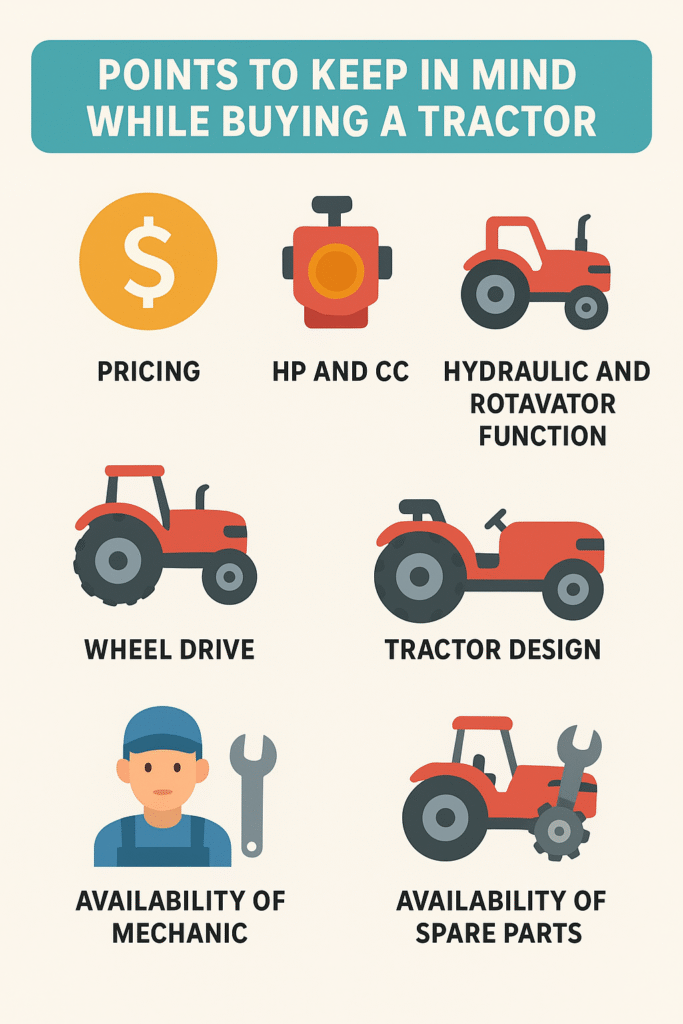
Points keep in mind while buying a tractor.
1. COST 

High HP (Horsepower) and CC and four-wheel drive and multi functional tractors pricing also high. if you have less land for farming. Then you should choose under 50 hp tractor. because in this segment of tractor price is under 5 to 6 lakh and this segment tractor is sufficient for mid range farmer.  if you cross the hp 65 the price band will be  8 to 10 lakh.

2. HP and CC  

These two things is very important while buying a tractor. HP is the same across many tractors. but CC varies. tractors that consume less diesel have less CC, due to which the power is also less. and which tractor consume more diesel  have more CC that’s why they don’t struggle. He can climb easily. Therefore, if the load on your tractor is more, then buy vehicles with higher CC. Don’t focus on fuel economy. 

3. HYDRAULIC AND ROTAVATOR SYSTEM.

The most important purpose of buying a tractor for farming. Before buying a tractor, keep this in mind: Hydraulic and PTO power should be best and multi-functional like. forward and reverse (provided in swaraj new model tractor 2025) also check PTO (Power take of) speed like 540 and 1000. PTO directly connected to rotavator so best PTO function provide good speed for rotavator. Hydraulic system. hydraulic is also very important. Therefore, choose that type of tractor that has maximum hydraulic lifting capacity.

4.  TWO-WHEEL AND FOUR- WHEEL DRIVE 

There are two kinds of tractor available in Indian market two wheel and four wheel drive. A farmer should understand that what kind of land available for plowing. If the area is too marshy. So four wheel drive would be a good idea. Otherwise two wheel drive is also fine. Because both the tractor cost and maintenance cost of four wheel drive are higher.

5. TRCTOR DESIGN

Different companies make tractors with different designs. The design of tractors of some companies is very complex. And some have easy ones. after some times. Mechanical problems occur in the tractor as soon as. If the internal design of the tractor is easy then you can fix any small or big breakdown problem anywhere. And if it is complex then you may have to face a lot of problems. Because there are no highly trained mechanics in small towns and villages, they are not able to make tractors with complex design. So try to buy that tractor that have simple design and less complex in gear box and internal mechanism. 

6. AVAILABILITY OF SPARE PARTS

Buy a tractor whose spare parts are available in the market near you. Because spare parts wear out over time. If you don’t find it in the nearby market, you will face a lot of trouble. and agricultural work will be disrupted. That is why it is very important that your tractor spare parts are available in the market near you.


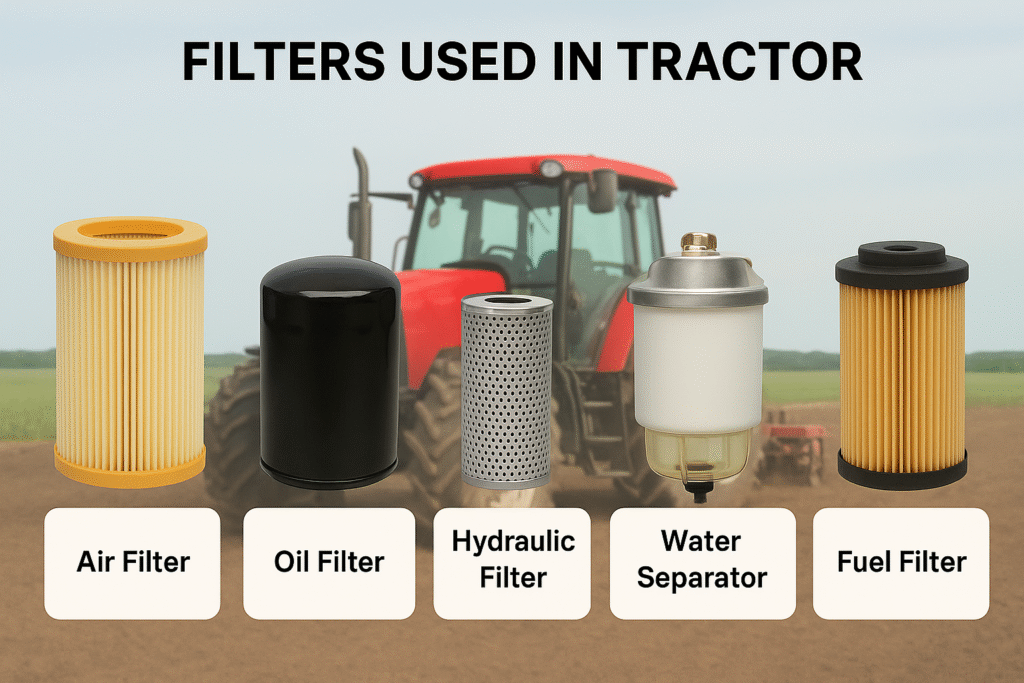
Filter’s Used in Tractor

Filter's Used in Tractor

Filters in automobiles remove contaminants from air, fluids, and exhaust to protect the engine, drivetrain, and cabin. Key types:
  • Engine air filter: cleans intake air; a dirty filter hurts power and fuel economy—replace per the manual.
  • Cabin/pollen filter: cleans air entering the cabin; often with activated carbon; replace on schedule or if you notice odors or smoke.
  • Oil filter: traps metal particles in engine oil; replaced with every oil change.
  • Fuel filter: removes dirt and water from fuel; essential for smooth running; diesel versions often have a water separator and different replacement intervals.
  • Transmission filter: cleans transmission fluid; replaced during transmission service.
  • Diesel particulate filter (DPF) / Gasoline particulate filter (GPF): traps exhaust soot; requires periodic regeneration and can clog if driven short trips too often.

Tips: Check your owner’s manual for recommended replacement intervals and pay attention to warning lights or reduced performance as signs of a clogged filter.

 
Filters used in tractor
AIR FILTER  

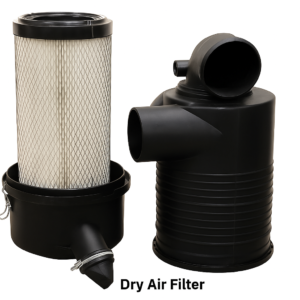
Dry Air Filter

  • Dry filters are the most common type used on tractors due to their high capacity to capture contaminants. Key features:
  • Dry air filter may use twice if it is not more contaminated.
  • Folded structure: Made from paper, foam, or fabric, pleated to increase filtration area and trap dust and grit.
  • Easy to maintain: Simple to replace; follow usage and the manufacturer’s service intervals.
  • Works well in dry, dusty conditions: Efficient at capturing particles of all sizes, making them suitable for tractor air filtering.
  •  
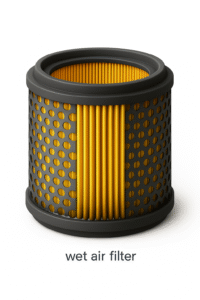
Wet Air Filter
  • commonly used in old model tractors and advantageous in humid climates. Also known as oil-bath filters; the filter element sits in oil. As air flows through the oil, dust and dirt particles are trapped in the oil, preventing them from reaching the engine. Key features:
  • Climatic conditions: Highly suitable for humid conditions; the oil provides water resistance and traps dirt effectively due to its viscous, sticky nature.
Dry Air Filter Use In Tractor !
Wet air filter use in tractor
OIL FILTER

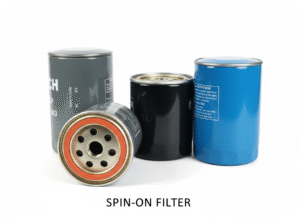
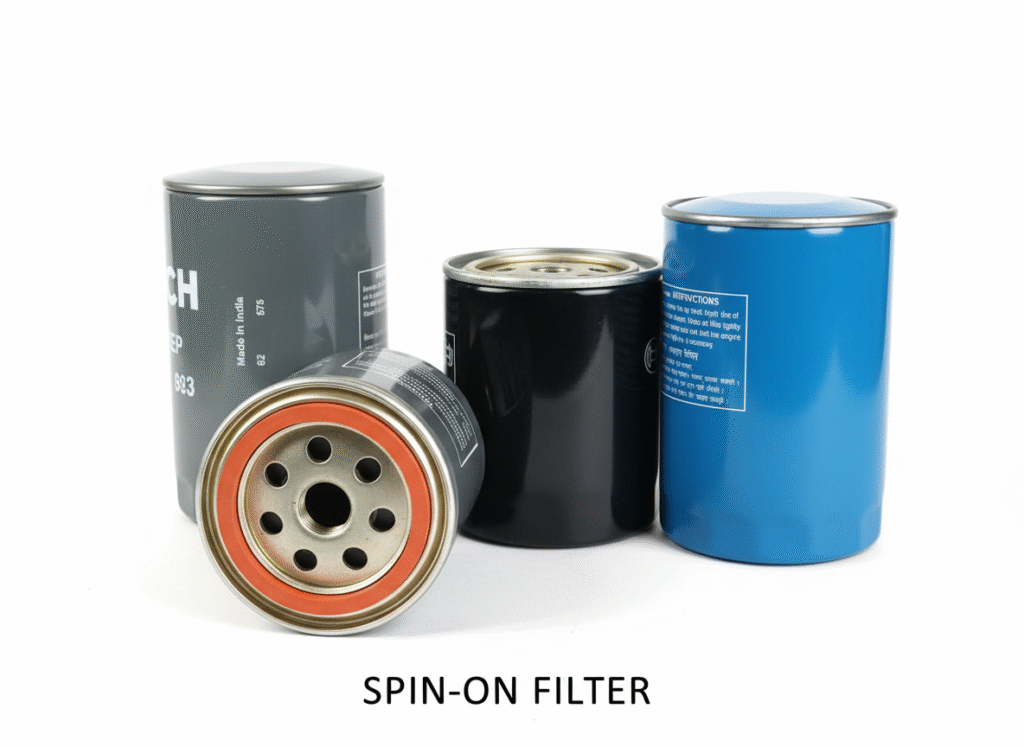
Spin-on oil Filters

  • Spin-on filters are the most widely used type due to their ease of replacement. They come as a complete sealed unit containing the filter media inside a metal casing. These filters are quick to install and remove, making them a popular choice in most modern tractors.

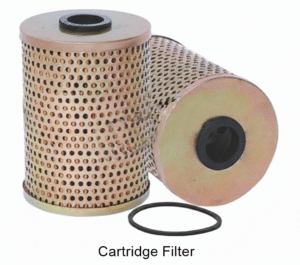
Cartridge Filters:

  • Cartridge filters are commonly found in heavy-duty tractors and industrial machinery. They consist of a replaceable filter element placed inside a permanent housing. While cartridge filters provide superior filtration performance, they require more time and effort to service compared to spin-on types.

HYDRAULIC FILTER
spin-type hydraulic filter.
  • Also known as a spin-on hydraulic filter, is a common filter used in tractors, excavators, loaders, and other hydraulic machinery. It cleans hydraulic oil and protects the hydraulic system. 
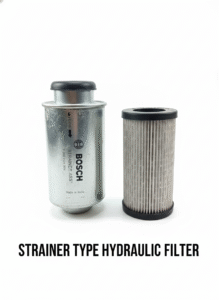
Strainer type hydraulic filter  
  • A strainer-type hydraulic filter is a coarse mesh filter placed usually in the hydraulic oil tank or suction line. Its job is to trap large dirt particles, debris, and metal chips before oil enters the hydraulic pump
STRAINER TYPE HYDRAULIC FILTER
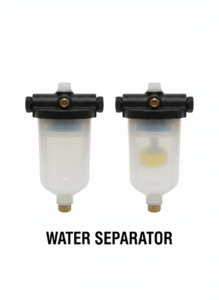
WATER SEPRATOR

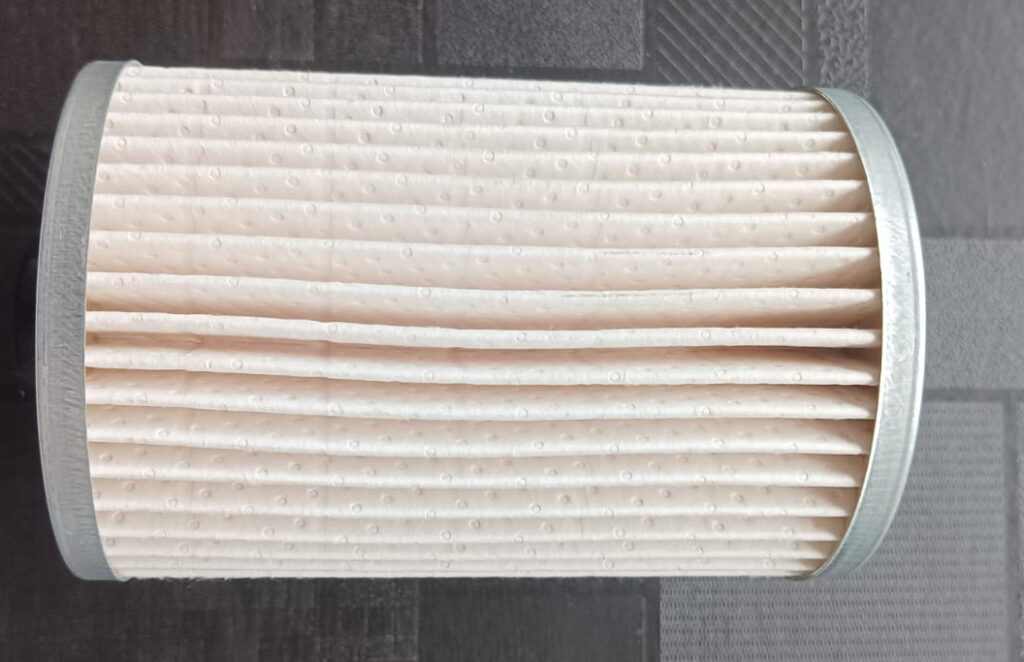
A water separator in a vehicle is a crucial component, especially in diesel engines, designed to remove water from the fuel before it reaches the engine. Water in fuel can cause significant damage and operational issues, so the separator plays a vital role in protecting the engine and maintaining performance.

FUEL FILTER

Fuel Filter (Tractor)

A fuel filter is a very important part in any tractor’s fuel system, cleaning the diesel.  Clean fuel means smooth engine performance and long engine life.

 Fuel Filter is Important:- because it Cleans dust, rust, and dirt from diesel. Protects fuel pump and injectors

Improves fuel efficiency and power. Helps avoid engine knocking and starting problems

Two type of fuel filter use in tractor

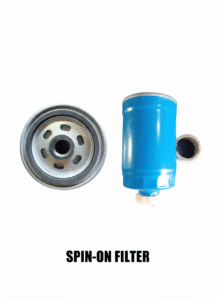
Spin-on oil Filters

  • Spin-on filters are the most widely used type due to their ease of replacement. They come as a complete sealed unit containing the filter media inside a metal casing. These filters are quick to install and remove, making them a popular choice in most modern tractors.

Cartridge Filters:

  • Cartridge filters are commonly found in heavy-duty tractors and industrial machinery. They consist of a replaceable filter element placed inside a permanent housing. While cartridge filters provide superior filtration performance, they require more time and effort to service compared to spin-on types.

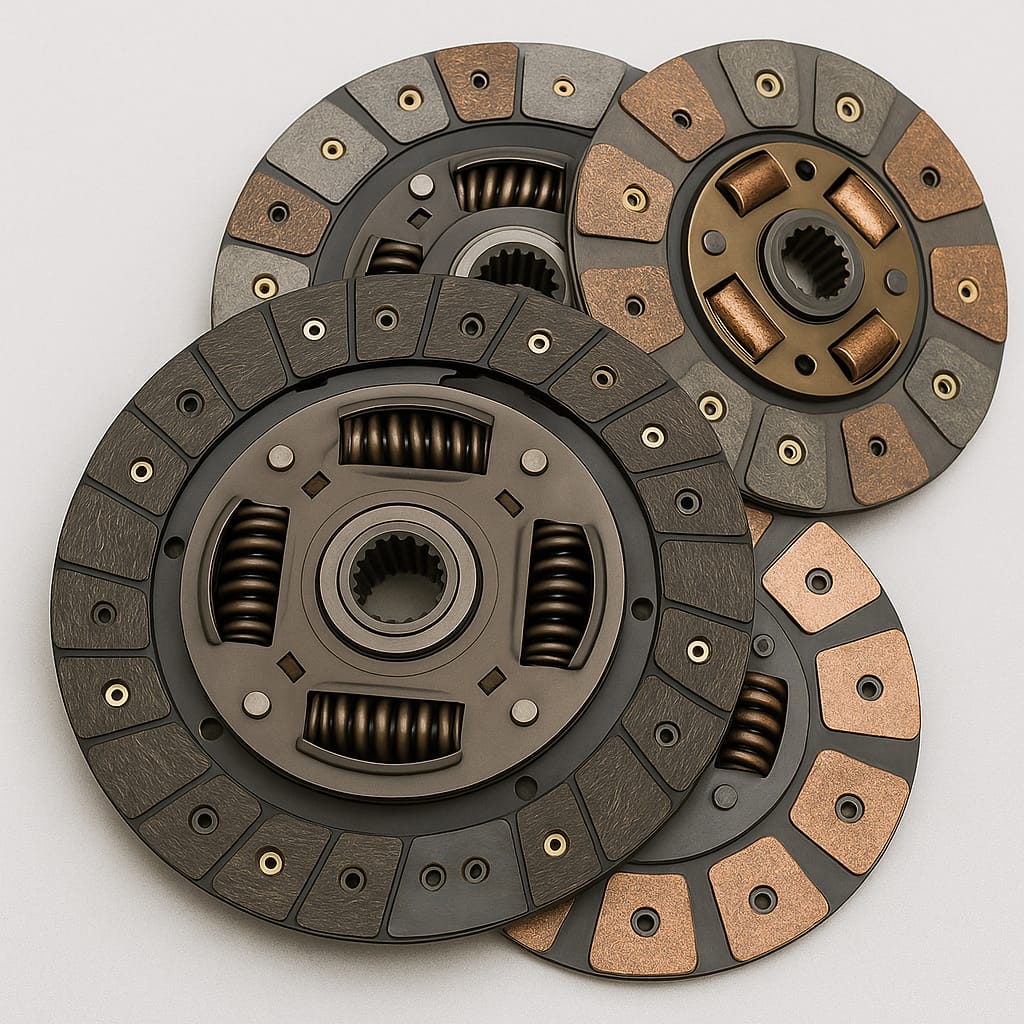
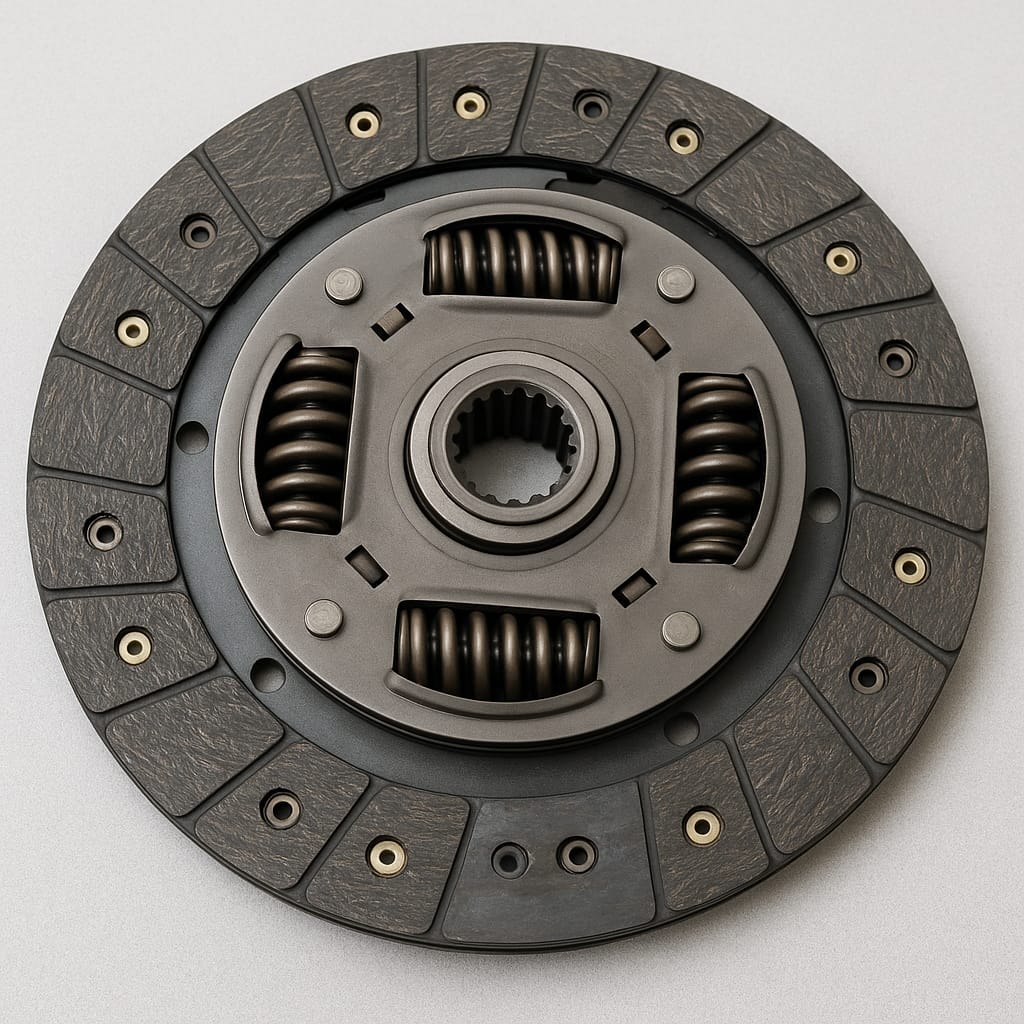
Types of clutch plate

Types of clutch plate ( and material used in their facing)

Clutch is a essential part that links PTO (Power Take-Off) to the engine and gearbox. Understanding the different types of tractor clutches and their maintenance is essential for prolonging your tractor’s lifespan and enhancing its efficiency—whether you’re a new buyer or an experienced farmer looking to upgrade. Let’s explore the various classifications of tractor clutches.

Types of tractor Clutches Based on Operation

Single Clutch assembly

This simple clutch system runs one friction plate to control the PTO as well as the gearbox. It stops the tractor and implements at once. It is ideal for small-scale farming. The limitation of this clutch is that the PTO is limited while the clutch is pressed, therefore limiting operations. For example: the Swaraj 735 FE tractor has a single clutch. 

Dual Clutch assembly

The dual-clutch can operate two clutch plates (transmission clutch and PTO clutch) with a 2-stage longer pedal that is utilised twice during gear changes—once to move to neutral and once to the intended gear. It is designed for heavy-duty implements like rotavators, harvesters, etc., needing exact control. Benefits include less gear grinding, less fuel consumption and help to synchronise gear speed. Swaraj 742 XT is one of the tractors using this clutch.

Double clutch assembly

There are two clutch plates in this system—one for tractor movement and another for PTO operations. There is a hand lever called IPTO (Independent Power Take-Off) for handling the PTO clutch and a foot pedal for controlling the transmission. Double clutch, like the one used in Mahindra yuvo tech+ 575 DI, is ideal for mid-sized to large-scale farms with several implement uses. PTO operates outside of the main gearbox and improves multitasking; hence, you can easily stop the implement without stopping the tractor. 


Types of clutch plate based on disk Facing

Type    Temp. (°F) Best Use
Woven Organic   600 Daily Driver
HD Organic   700 Most Street Performance, Towing, and Hauling Applications
 Ceramic    1000  Racing
 Feramic    1000  Racing/Agriculture
 Feramalloy    1000  Heavy Duty Hauling and Towing; Commercial Trucking


ORGANIC (White Facing)

Organic facings are typically made from phenolic resins, friction modifiers like metallic powder or metal oxides, and compounded rubber. These facings come in two types:

Molded Facings,  We do not Recommend to use this. 
Woven Facings, which include fiberglass yarn woven into the material to increase strength. The burst strength of an 11″ OD/6.5″ ID woven facing is over 10,000 RPM.

As you can see, woven organic facings are much stronger than molded facings, which translates to better life and performance.

Woven organic friction materials are commonly used in OEM applications, as they offer a good combination of smooth engagement, wear resistance, and strength.

Summery.

In almost all cases, woven is better than molded. For most vehicles, a woven organic clutch offers the best combination of performance, durability, drivability, and cost.

HEAVY-DUTY ORGANIC (White Facing)

Heavy-duty organic clutch facings are similar to normal organic clutches in terms of engagement smoothness, but with more temperature resistance and durability.

Heavy-duty organic clutch facings feature more metallic content, which boosts heat resistance and reduces fade.

This gives these clutches resistance to temperatures as high as 700°F, at least for short periods, as well as increased burst strength.

Summery

Heavy-duty organic facings are just fine for most towing, hauling, and street performance applications. They’re temperature-resistant, strong, and durable but still smooth.


CERAMIC (Black Facing)

Ceramic clutch facings are composed of a blend of copper, iron, tin bronze, silicon dioxide, and/or graphite. The material is sintered or brazed onto a backing plate and often riveted to the main clutch plate.

These facings can endure high temperatures—up to 1,000°F—without fading, making them ideal for racing applications. However, it’s important to note that ceramic clutches typically have a high ratio of static to dynamic friction, which can result in more abrupt engagement.

FERAMIC

Feramic clutch facings, with their high coefficient of friction and high static-to-dynamic ratio, are primarily designed for racing applications where quick lock-up is paramount.


Composition and Design

These facings are constructed from a blend of steel, silicon dioxide, tin bronze, and graphite. Feramic facings can cover the entire clutch face (full-face) or be designed as smaller contact points (buttons).


Carbotic Facings

A specialized variation, known as a carbotic facing, is used in truck applications. This material provides ceramic-like temperature resistance while still allowing for smoother engagement than standard racing feramic.

FERAMALLOY FERAMIC

FeramAlloy facings are poised to replace traditional ceramic facings. They offer comparable wear and temperature resistance but feature a significantly improved static-to-dynamic ratio, resulting in smoother engagement and notably less chatter than ceramic materials.

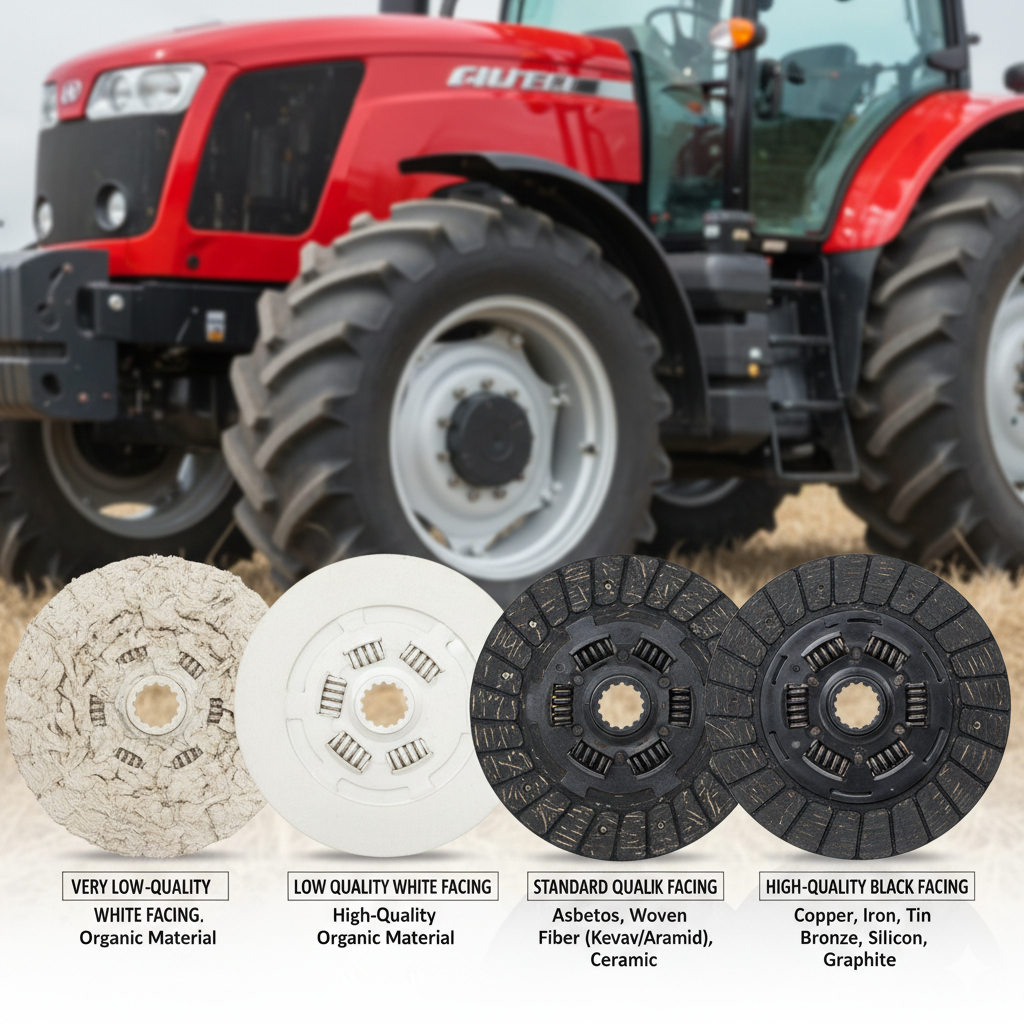
  • CONCLUSION

  • There Are 4 type of clutch plate (Disk) Used in tractor. 

  • Very low-quality white facing. organic material used 

  • Low quality White Facing.  organic material used but in high quality 

  • Standard Quality Black Facing.  mix material use like. Asbestos, Woven fiber (Kevlar or aramid and ceramic material)

  • High quality Black facing. material used like copper, iron ,tin bronze, silicon, or graphite 

Tractor clutch plate Types of clutch disk in tractor

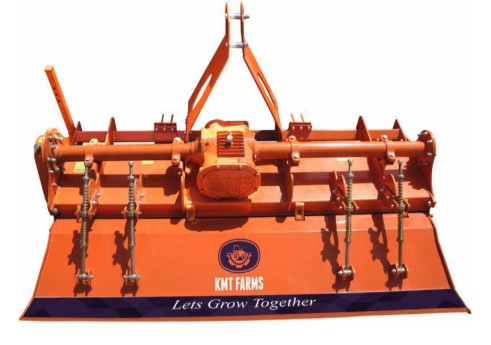
KMT Rotavator Bearing and Oilseal

KMT Rotavator Bearing and Oilseal

Right side :-  – – – – – –  –  6309

Gear Box side bottom- – – –6311

Gear Box side middle – – – 30209

Gear Box side Top – – –   – 32210

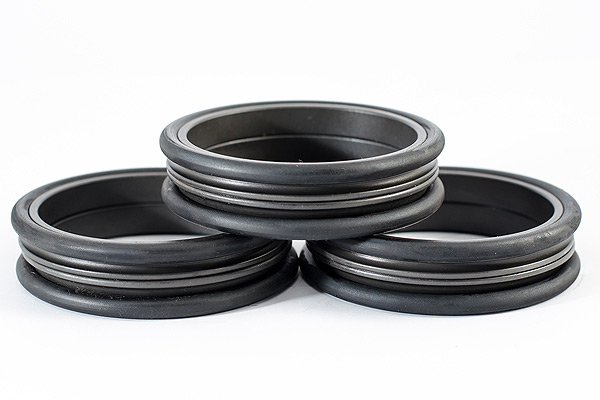
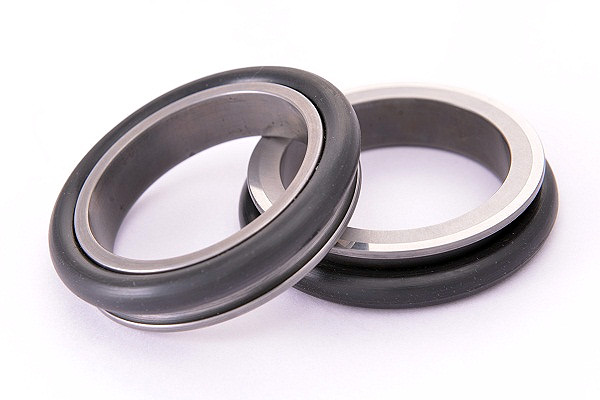
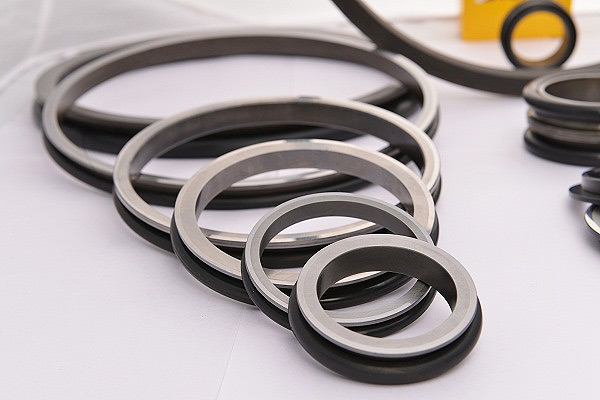
Oil seal Right side – mechanical Face seal  (6309)

Oil seal Gear box side -mechanical Face seal  (6311)

Shaft Oil seal – – – – –          40x72x15 DS 

Bearing consider to buy branded bearing like.. skf deluxe texspin etc..

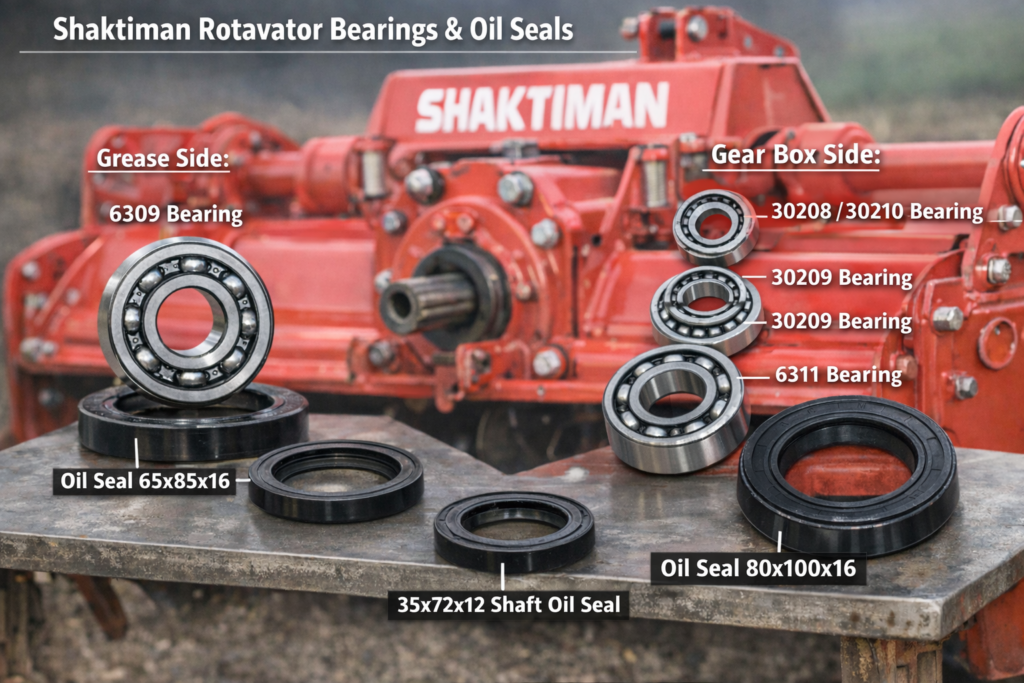
Shaktiman Rotavator Bearing and oilseal

Shaktiman Rotavator Bearing and oilseal

Grease side :-  – – – – – –   6309

Gear Box side bottom- – – –6311

Gear Box side middle – – – 30209

Gear Box side Top – – –   – 30210

Gear Box side Top  – – —     30208

Oil seal  Num.. Grease side – 65x85x16   (6309)

Oil seal Num. Gear box side  80x100x16  (6311)

Shaft Oil seal – – – – –          35x72x12 

Bearing consider to buy branded bearing like.. skf deluxe texspin etc..

TIPS FOR MAINTENANCE

Checking oil level: – Every Rotavator use oil in their shaft gear box and Rotary gear box. Oil helps gears to work smooth and it also reduce heating while working in the field 

So when working in the field check oil level every after 2or3 days. To avoid extra expenses or waste of time during heavy work load.

Cleaning soil and dirt :- while working in the field heavy soil stick under the rotary  it reduce the rotavator speed and harm the body      So clean all soil from the rotavator in every interval of work.

Use Of Cross :- do not use damage cross because it disturb the alignment connection PTO shaft to rotavator shaft 

Spare Parts :- Always consider to replace spare parts not use welding replacement of parts keep your rotavator strong

Best Mobil For Bike

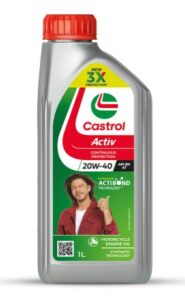
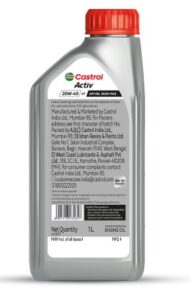
Castrol Activ 20W-40 4T Engine Oil for Bikes with Synthetic Technology (1L) |3X Protection with Actibond Technology | Engine Protection for Bikes | API SN and JASO MA2

MRP. 462.00 for 1ltr

Unit Sale Price Band :-400 to 450 /-

  • 3X Engine Protection: Castrol Activ 20W-40 with Actibond Technology adheres to critical engine parts, delivering 3X protection during start-up, while riding, and even when idle. It ensures optimal performance and longevity for your motorcycle, no matter the conditions.
  • Designed for Daily Commuters: Tailored specifically for daily motorcycle commuters, this oil ensures smooth engine operation even in heavy traffic, helping your bike handle the constant start-stop demands of city riding.
  • Extra Start-Up Protection: With 50% more start-up wear protection vs standard API limits, this engine oil safeguards your motorcycle during the critical moments when the engine is most vulnerable, facilitating smooth and reliable performance from the get-go.
  • Reduced Deposits for Cleaner Engines: Its advanced formula actively fights against deposit build-up, maintaining a cleaner engine over time. This promotes better engine health, enhanced reliability, and a longer lifespan, which is ideal for daily use.
  • Formulated for Peak Performance: Complying with API SN and JASO MA2 standards, Castrol Activ 20W-40 is engineered for modern motorcycles, providing efficient performance while reducing harmful deposits that can affect engine efficiency and durability.
Translate »